



Reviewed

Proof

Real stores, real constraints, real storefront decisions

One proof page, five different storefront pressures: large-scale beauty retail, luxury jewelry, social-first DTC, home goods Liquid, and international apparel Liquid.

These projects are not separate business ideas. They support HydrogenExpert and Emre Mutlu's personal brand as sales proof. Only verified or approved proof is shown; screenshots, quotes, and deeper metrics stay off the page until they are approved.

Selected work

Find the storefront pressure closest to yours.

Each case now has a dedicated URL for deeper context, technical decisions, approved visuals, and launch constraints.

EveShop logo

EveShop

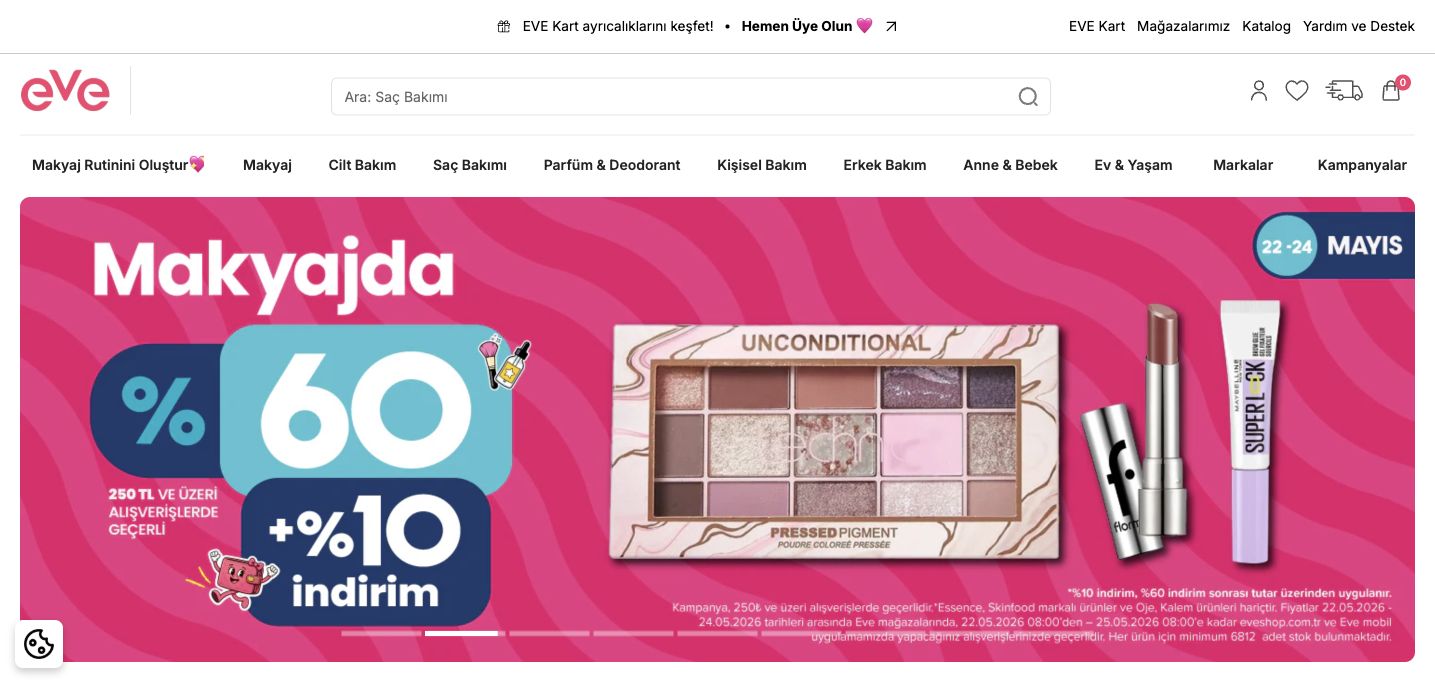
Turkey's first production Shopify Hydrogen storefront for a nationwide cosmetics retailer, paired with mobile commerce delivery.

Role

Lead Developer / Frontend Team Lead at Machinarium

Industry

Cosmetics and personal care retail

View live storeeveshop.com.tr
EveShop live storefront screenshot showing cosmetics and personal care ecommerce navigation.
Read full case study

Case 1

Problem

Large-scale Shopify Hydrogen + mobile commerce for cosmetics and personal care retail.

Package relevance: Custom / Enterprise Hydrogen proof

EveShop is a nationwide cosmetics and personal care retailer that opened its first store in April 2015 and launched ecommerce roughly 1.5 years later. By the time this Hydrogen work started, the business was serving a large retail footprint, a broad catalog across beauty and personal care, and a documented audience context of 400K+ web users plus 100K+ mobile users. The storefront had to support digital-first shoppers, campaign traffic, and customers moving between physical stores, the site, and mobile commerce without making merchandising feel chaotic. In practical terms, the pressure was not just page speed. It was how to present a high-SKU catalog cleanly, keep browsing understandable, and give the team a storefront surface that could handle enterprise-like retail complexity without collapsing into theme-level compromise.

Approach

What I focused on

As lead developer and frontend team lead at Machinarium, I worked on the Hydrogen web storefront alongside the React Native mobile apps. The implementation leaned on Shopify Hydrogen, React, Remix, GraphQL Storefront API patterns, and GTM-backed tracking from the broader stack documented in my CV. The job was not to over-design the storefront; it was to create a stable commerce surface for a large catalog, establish reusable frontend patterns, and help the team ship consistently. That included architectural decisions, mentoring, and component-level delivery standards so campaign pages, category browsing, and commerce flows could evolve without turning the codebase into a series of one-off patches.

Outcome

What changed and why it matters

The live result became a useful strategic reference point for production Hydrogen work on a national retail brand. Hydrogen can work at this level, but the long-term value depends on the organization staying committed to owning and maintaining a custom storefront after launch. That is exactly why I position Hydrogen as a business decision first. EveShop is strong proof of production experience, but it is also proof that headless only pays off when the operating model is ready for it.

Screenshots

Visual proof

Metrics

Supported proof points

Web users

400K+

Mobile users

100K+

Tech stack

What the implementation sat on

Shopify HydrogenReactReact NativeRemixTypeScriptGraphQLGTM
Bayam Jewelry logo

Bayam Jewelry

A Shopify Hydrogen storefront for luxury jewelry, watches, and showroom-led trust.

Role

Shopify Hydrogen Developer

Industry

Fine jewelry and luxury watches

View live storebayamjewelry.com
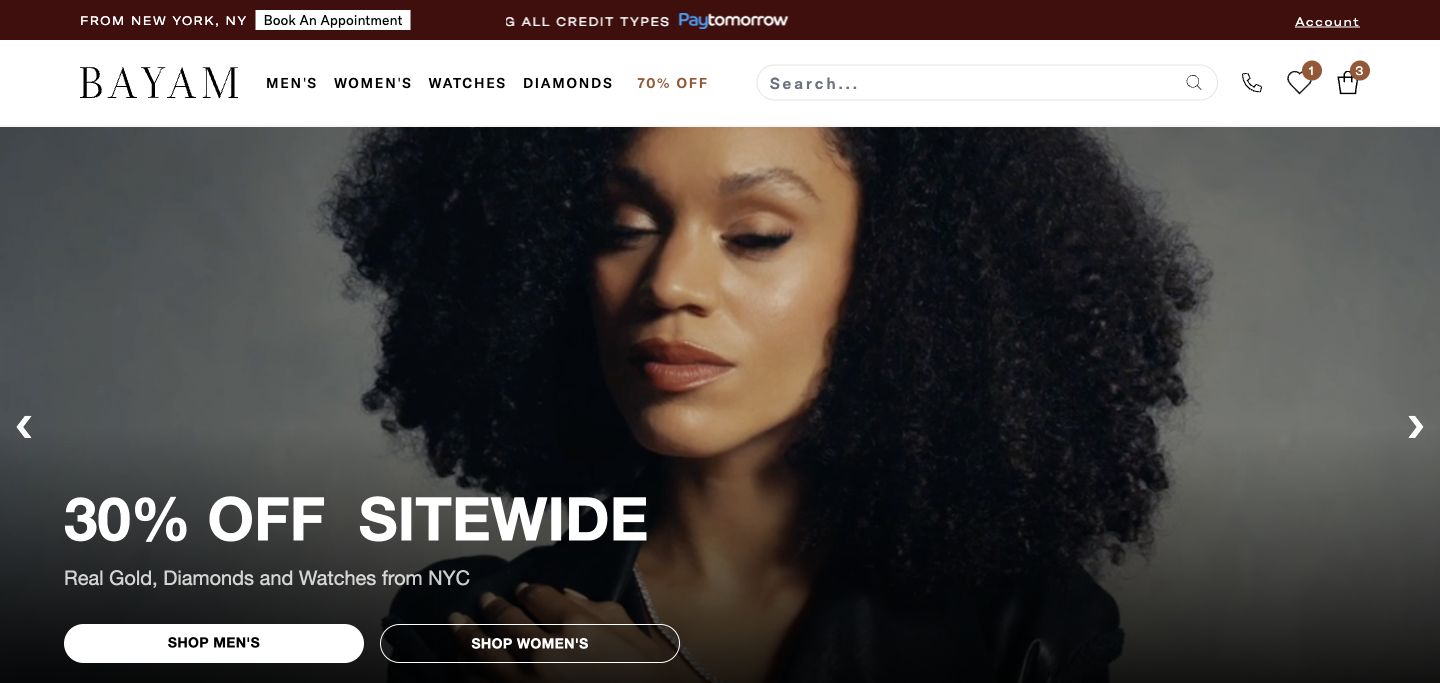
Bayam Jewelry live storefront screenshot showing luxury jewelry and watch shopping context.
Read full case study

Case 2

Problem

High-AOV luxury ecommerce, jewelry discovery, filtering, and trust UX.

Package relevance: Growth Storefront proof - premium catalog, discovery, trust UX

Bayam Jewelry operates out of NYC's Diamond District and sells real gold jewelry, diamonds, and luxury watches. The storefront had to balance two different discovery behaviors in one surface: jewelry buyers often browse by style, gifting, and taste, while watch shoppers compare by brand, condition, and model-specific details. The public store also carries trust signals such as 0% APR financing, free shipping, and free returns, so the experience needed to make those buying assurances easy to understand without turning the page into a generic promo surface. The challenge was less about adding more pages and more about making premium discovery feel coherent.

Approach

What I focused on

I built and refined Bayam as a Shopify Hydrogen application with a strong emphasis on performance, responsiveness, and design cohesion. In the public updates I shared about the project, two changes capture the direction well: refreshing the homepage hero to strengthen the first impression, and adding collection intros plus sub-category pathways to make browsing clearer. That work mattered because Bayam is not a single-category brand. The storefront has to carry gold jewelry, diamond pieces, and luxury watches in one experience while preserving a premium tone. The implementation focused on cleaner navigation, clearer collection context, and a more intentional luxury feel instead of treating discovery like a flat theme menu.

Outcome

What changed and why it matters

The result is a storefront that feels more aligned with Bayam's Diamond District positioning and easier to browse across very different product types. For me, the case study matters because it shows where Hydrogen becomes commercially useful in luxury ecommerce. The win is not 'headless' as a label. The win is giving a high-trust, style-sensitive catalog a storefront that can present jewelry and watches without forcing the shopper through a generic one-size-fits-all browsing pattern.

Screenshots

Visual proof

Tech stack

What the implementation sat on

ShopifyShopify HydrogenReactJavaScriptResponsive UI
Rebel Bunny Matcha logo

Rebel Bunny Matcha

A social-first Shopify Hydrogen storefront spanning DTC, wholesale, and education.

Role

Shopify Developer

Industry

Premium matcha, DTC, and wholesale

View live storerebelbunny.com
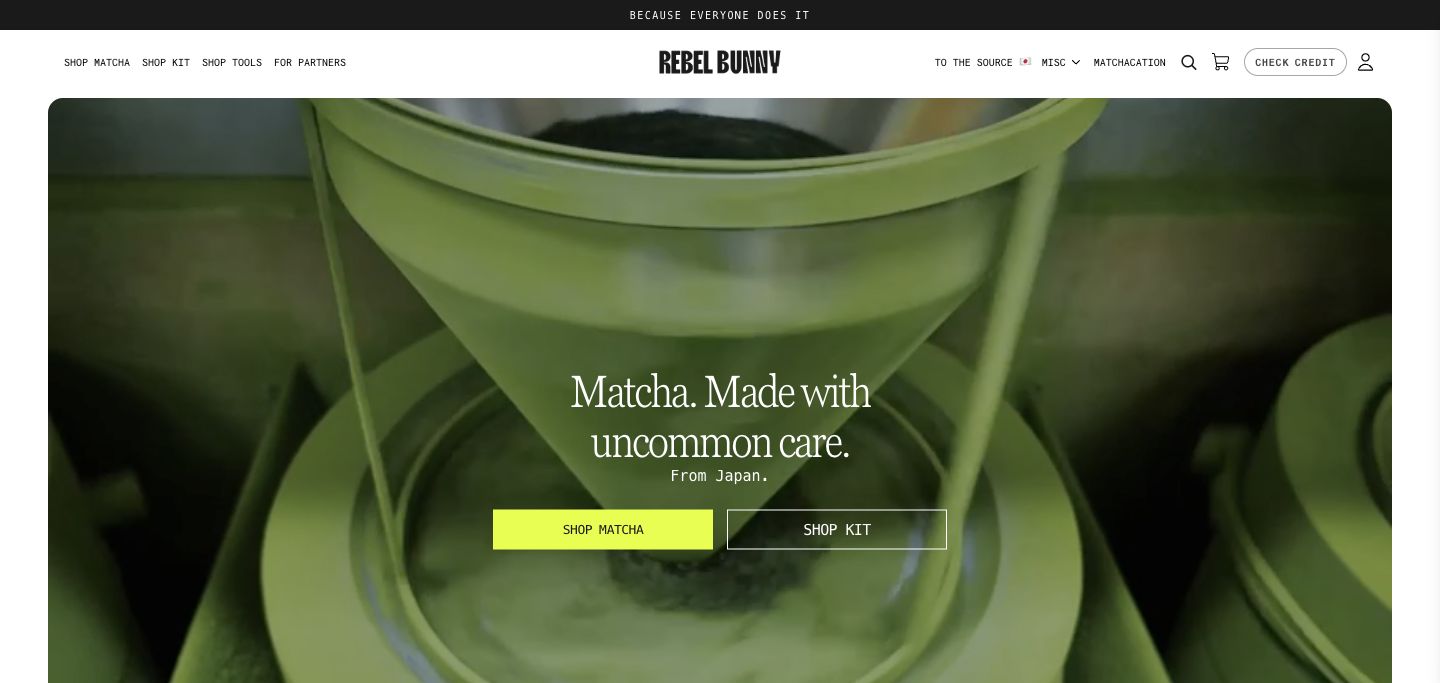
Rebel Bunny Matcha live storefront screenshot showing DTC matcha product storytelling.
Read full case study

Case 3

Problem

Content-commerce, limited drop UX, DTC product storytelling, and origin content.

Package relevance: Growth Storefront proof - DTC, education, partner flow, cart UX

Rebel Bunny is a premium matcha brand with a storefront that has to do more than sell tins of tea. The public site combines direct-to-consumer shopping, limited drop energy, cult classic products, a partner flow for premium cafes and artisan brands, Matchacation education, and To The Source origin storytelling. That creates a very different storefront pressure from a standard DTC theme build. Mobile presentation matters because discovery is social and creator-led, but the site also has to hold product detail, brand story, education, and partner acquisition together without feeling fragmented.

Approach

What I focused on

My role was storefront development for a bold, conversion-oriented Shopify build with custom product templates, promotional surfaces, and cart and checkout flows optimized for mobile and desktop. The public stack details on my CV list Shopify Hydrogen, React, Remix, GraphQL, TypeScript, and JavaScript for this project, while the live site itself shows the shape of the work: a DTC shop, a partner application path, and Matchacation content all living in one branded system. Rather than splitting those experiences across disconnected tools, the implementation keeps them inside one coherent storefront. That is the kind of setup where Hydrogen earns its complexity: when brand, education, and commerce need to move together instead of being bolted on later.

Outcome

What changed and why it matters

The outcome is a storefront that supports both near-term conversion and longer-term brand building. The live store carries shopping, partner interest, and Matchacation content in one branded surface instead of splitting those journeys across disconnected landing pages. As a case study, Rebel Bunny shows Hydrogen at its most useful for social-first DTC: one system handling commerce, education, and partnership growth without turning the experience into a stack of disconnected tools.

Screenshots

Visual proof

Metrics

Supported proof points

Upwork feedback

5.0

Tech stack

What the implementation sat on

Shopify HydrogenReactRemixTypeScriptGraphQLJavaScript

Client feedback

"Emre is a fantastic developer and an even better human."

Rebel Bunny client - Shopify Hydrogen storefront client, Rebel Bunny Matcha

Upwork feedback, May 3, 2026
Kirazev

Kirazev

A Shopify Liquid storefront for kitchen, decor, bathroom, and organizer catalog browsing.

Role

Shopify Liquid Developer

Industry

Home goods, kitchen, decor, bathroom, and organization

View live storekirazev.com
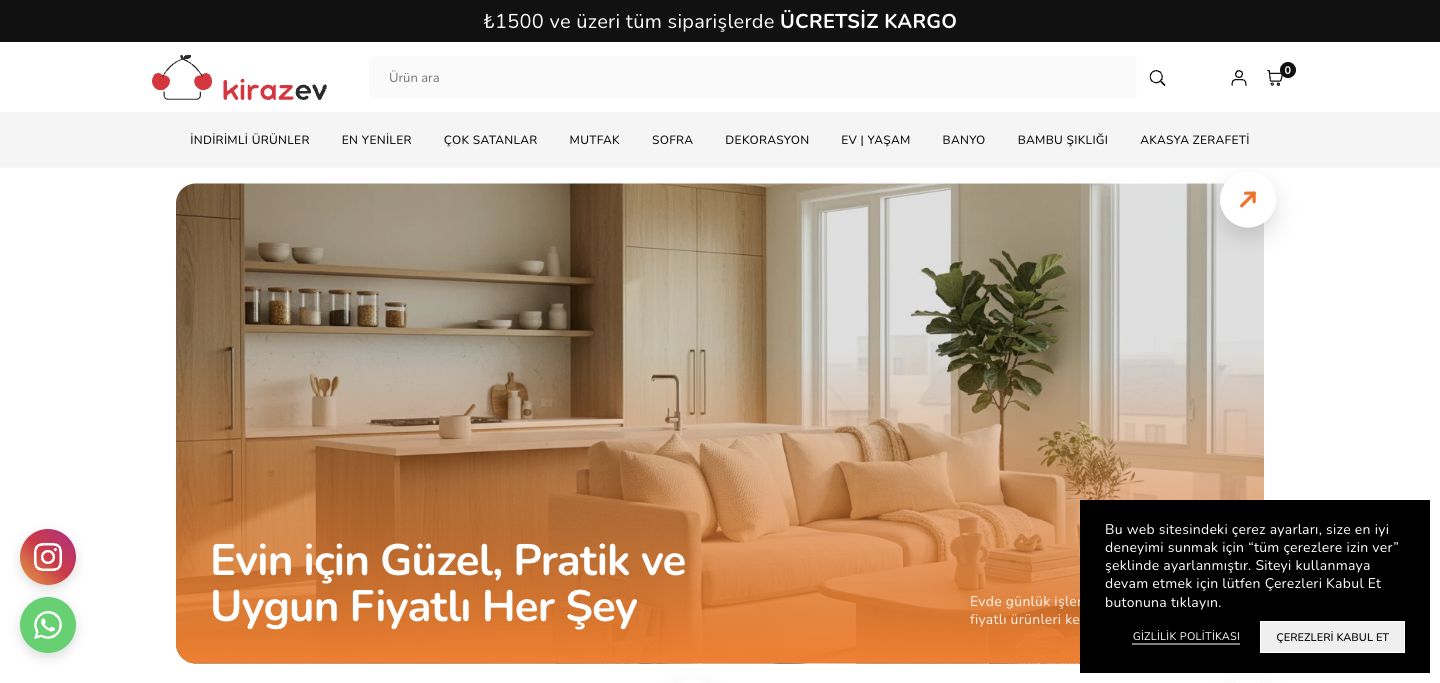
Kirazev live storefront screenshot showing home goods catalog navigation.
Read full case study

Case 4

Problem

Fast Shopify Liquid build for a home goods catalog.

Package relevance: Liquid proof - when a fast theme-native build is the better answer

Kirazev needed a straightforward Shopify commerce surface for home goods categories such as kitchen, decor, bathroom, and organizers. The business value was not in forcing a headless rebuild. It was in getting a clean catalog experience live quickly, keeping Shopify-native operations intact, and making the store easy to manage after launch.

Approach

What I focused on

I treated Kirazev as a practical Shopify Liquid build rather than a showcase for unnecessary architecture. The focus was on category clarity, catalog presentation, and keeping the storefront aligned with Shopify-native operations. This matters for HydrogenExpert because it shows the other half of the judgment: knowing when Liquid is the commercially better answer.

Outcome

What changed and why it matters

Kirazev belongs in the portfolio as proof that not every ecommerce problem needs Hydrogen. For a home goods catalog where speed, simplicity, and Shopify-native operations matter most, Liquid can be the right technical decision. That makes the case useful in sales conversations because it shows platform judgment rather than headless bias.

Screenshots

Visual proof

Tech stack

What the implementation sat on

ShopifyLiquidOnline Store 2.0JavaScriptResponsive UI
Clohi

Clohi

A Shopify Liquid storefront for India-focused ethnic, casual, and festive apparel discovery.

Role

Shopify Liquid Developer

Industry

International apparel, ethnic wear, casual wear, and festive fashion

View live storeclohi.in
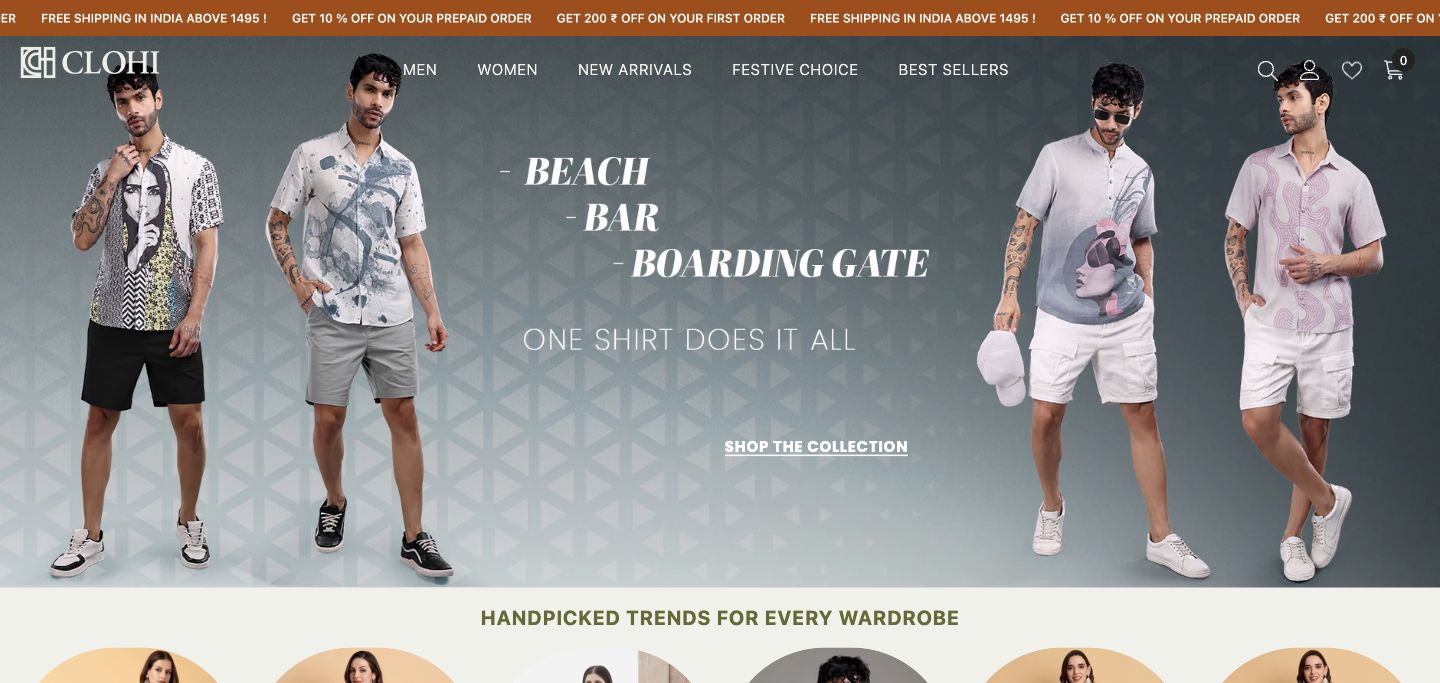
Clohi live storefront screenshot showing India-focused apparel shopping context.
Read full case study

Case 5

Problem

International apparel Shopify Liquid project for India-focused ethnic and casual wear.

Package relevance: Liquid proof - smaller Shopify storefront execution

Clohi needed an apparel storefront shaped around India-focused shopping behavior rather than a generic international fashion template. Categories such as kurta, saree, festive wear, and casual wear have different browsing expectations, while market trust signals such as COD and easy returns need to be visible enough to reduce hesitation.

Approach

What I focused on

I positioned Clohi as a Shopify Liquid build for an international apparel market, with the practical work focused on category clarity, responsive storefront behavior, and trust cues that match how customers buy in that region. The value for the broader portfolio is not that every apparel brand needs Hydrogen; it is that Shopify implementation should follow the market and buying journey.

Outcome

What changed and why it matters

Clohi strengthens the portfolio as an international Shopify Liquid proof point. It shows experience outside a single geography and reinforces the HydrogenExpert sales argument: the right storefront stack depends on category pressure, market behavior, and operating needs, not on forcing one technical answer into every brief.

Screenshots

Visual proof

Tech stack

What the implementation sat on

ShopifyLiquidOnline Store 2.0JavaScriptResponsive UI

FAQ

Case study questions that usually matter after the first scroll.

Why is EveShop the main portfolio case?

Because it combines the strongest proof points: large-scale Shopify Hydrogen delivery, React Native mobile commerce involvement, and a documented audience context of 400K+ web users plus 100K+ mobile users.

What makes Bayam and Rebel Bunny different as Hydrogen projects?

Bayam is a high-AOV luxury discovery and trust UX problem. Rebel Bunny is a content-commerce and limited-drop storytelling problem where commerce, education, origin content, and partner interest need to live together.

Why include Kirazev and Clohi if HydrogenExpert sells Hydrogen services?

Because they prove Shopify judgment. Some stores need Hydrogen, while others are better served by fast, maintainable Liquid builds. Showing both makes the sales argument more honest and more useful.

Why do some cases have testimonials and others do not?

Because only verified or approved feedback belongs on the page. Rebel Bunny now has public Upwork feedback, while the other cases still wait for approved quotes or measurable proof before a testimonial is shown.

Commercial next steps

Connect proof to the right buying path.

Next Step

Your storefront, written honestly on a page

If your store has constraints that rhyme with any of these, I can help you scope the move with a merchant-friendly plan instead of a vague technical pitch.

Send an email brief

Direct senior access. No fake agency layer.

Owned lead capture

Request a Hydrogen Scope Review

If you are not ready to fill everything out, send the store URL, design status, product count, and the features that must ship first. The rest can be clarified later.

I do not sell Hydrogen if Liquid is the better move.

Short brief path

Only name, email, store URL, and main problem are required. Start with:

  • Store URL or brand
  • What feels blocked
  • Budget and timeline, if you know them
Which features are needed?

Your details are used only to reply to this specific project inquiry. No newsletters, no list sharing. If this is a low-budget theme tweak, I will usually point you to a lighter option.